Reepot Laser in Apgujeong, Gangnam, SeoulPigmentation laser · ilooda, Korea

Reepot removes lentigines and age spots and fades freckles and superficial pigmentation with a wavelength strongly absorbed by melanin. Intensive cooling protects the skin while energy is focused on the lesion, allowing treatment in fewer sessions than conventional lasers.

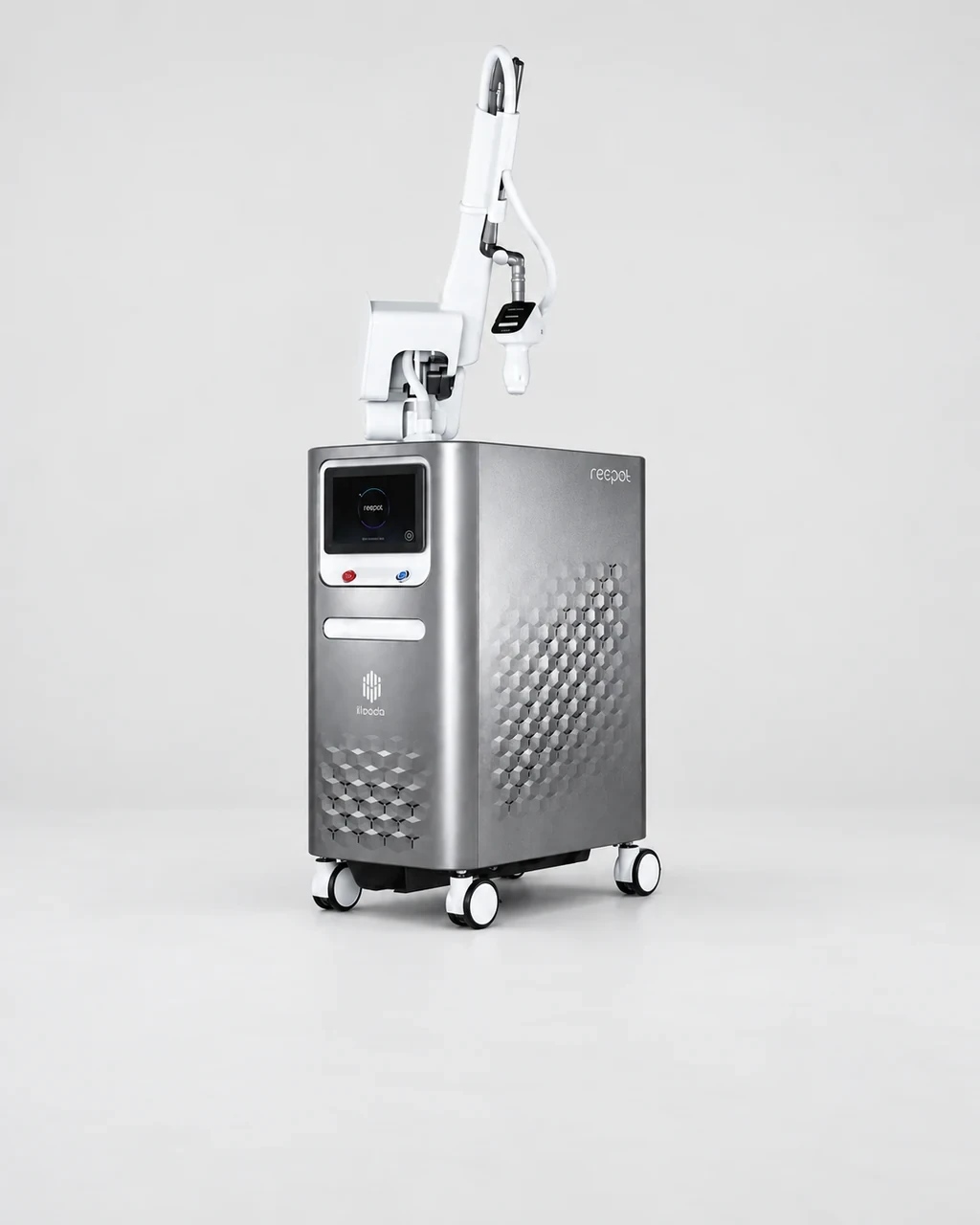
Reepot system against a clean, light background
Not every dark spot is the same. We first identify the type of pigmentation, then plan the treatment.
Dr. Chang-Hwan Cho Dong-An Joongsim Clinic
Results
Visible right away

Duration
Lasts 12 months or more

Comfort
Mild discomfort

Numbing cream if needed

Recovery
14 days of downtime

DuoDERM dressing period

Recommended sessions
1 session

For lentigines

Treatment areas
Face, neck and body

Target lentigines and age spots
in one treatment with
pigment laser pulses

Reepot is a pigmentation laser from ilooda. Its VSLS (Vasculature Salvage Laser Surgery) technology uses a chilled sapphire tip to apply cooling and pressure, temporarily constricting small blood vessels. This reduces competing absorption by hemoglobin so more laser energy reaches melanin.

That makes it possible to use energy levels that would be difficult with conventional lasers, reducing the number of sessions needed. AutoDerm® imaging guides energy to the marked lesion while protecting surrounding skin and supporting recovery.

#Lentigines#Age spots#Intensive cooling#AutoDerm#Single session
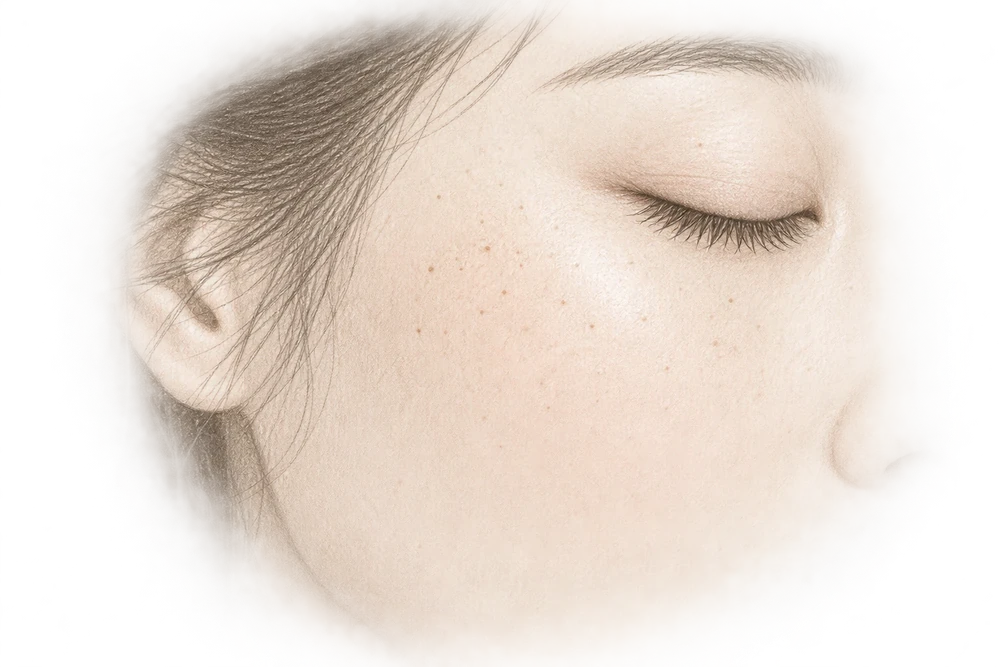
Sun spots, age spots, freckles: what this laser can treat

Lentigines

Removes sun-related lentigines in fewer sessions. Temporary compression of small blood vessels helps direct higher laser energy toward the pigment.

Age spots

Removes raised age spots for a smoother surface. Energy is absorbed within the pigmented lesion while intensive cooling protects surrounding skin.

Freckles and superficial pigmentation

The laser targets freckles and superficial dark spots. Your doctor marks each lesion, and the imaging system guides the energy to those areas.

Spot removal planned by your doctor
A diagnosis before treatment

Results depend on how the treatment is planned and performed. Your doctor personally assesses the pigmentation, discusses the options with you and performs the treatment.

  1. Care from a doctor who teaches pigmentation aftercare

    At the ASLS 2025 Autumn Conference, Dr. Chang-Hwan Cho lectured other doctors on aftercare for pigmentation lasers, including Reepot. He advises you on how long to keep the dressing on, based on your age, the treatment area and the size of each lesion.

  2. Each lesion is marked and assessed individually

    Treatment planning and energy settings make a difference with this laser. Your doctor identifies each lentigo, freckle or dark spot, marks the area and chooses the energy and number of passes for each lesion.

  3. Your doctor handles both consultation and treatment

    We take time with every patient. Your consultation and treatment are handled by a doctor; a patient coordinator only helps with pricing.

Patient experiences: faded sun spots

The dark marks have faded

After Reepot, I can still see a little trace close up, but the spots are less noticeable at a normal distance. The follow-up checks on my recovery and aftercare were reassuring. It was expensive, but I'm pleased that the marks have faded.

The laser treatment was quicker than I expected

A dark mark on my temple was bothering me more and more, so I booked a Reepot consultation. They checked the area and size and explained the procedure, which helped me decide. The numbing stung a little, but the laser treatment itself was over sooner than I expected. Afterward, I focused on looking after the dressing.

They checked the lentigines before treating them

I'd put off Reepot because I was worried it might leave a mark. At the consultation, they checked where the lentigines were and how many there were. I went ahead after hearing the explanation. I remember the feeling of the device pressing against my face. After treatment, keeping the dressings on took some attention, too.

The darker areas looked smaller

After Reepot, keeping the dressings in place took more thought than the treatment itself. The edges started lifting, so I added another dressing as instructed. When I returned to have them removed, the darker areas looked smaller. There are still faint marks, so I'm using the ointment and recovery cream while I wait to see how things settle.
Dr. Soyoun Koo assessing facial proportions before treatment

Could this laser help with your sun spots?
Your doctor will assess whether it is right for you

  • You want to remove lentigines or age spots
  • Freckles or superficial dark spots bother you
  • You hope to remove a lentigo in a single session
  • Previous pigmentation treatments have not given you the results you hoped for
  • You also want to treat spots on your neck, arms or hands

Sun spot removal
Compared with other pigmentation treatments

Each approach to lentigines has its own limitations.

MethodFeaturesLimitations
CO2 or erbium ablationRemoves skin to treat the lesionToo shallow: recurrence; too deep: scarring or pigmentation
Laser toning or picosecond toningRepeated low-energy sessionsMay only partially fade a lesion, even after 10 or more sessions
ReepotVessel compression allows higher-energy deliveryRemoval in fewer sessions

How the laser removes dark spots
Your doctor explains how it works

How does the laser target pigment selectively? Treatment works in four stages. Your doctor, who teaches pigmentation laser aftercare at medical conferences, sets the energy and passes for each lesion.

Illustration of the skin and underlying tissue
  1. Vessel compression

    A chilled sapphire tip applies pressure and constricts small vessels, helping laser energy reach melanin.

  2. Melanin absorption

    Melanin absorbs the laser energy, producing heat within the target area.

  3. Breaking down pigment

    The heat breaks down pigment, which is then cleared through the skin's natural processes.

  4. Protecting surrounding skin

    Intensive cooling protects neighboring tissue while the pigment is treated.

Our approach

Dr. Chang-Hwan Cho personally plans the treatment area, energy and passes for each lesion. He also teaches other doctors how to care for skin after Reepot and other pigmentation lasers.

Dr. Chang-Hwan Cho lectures at the ASLS 2025 Autumn Conference

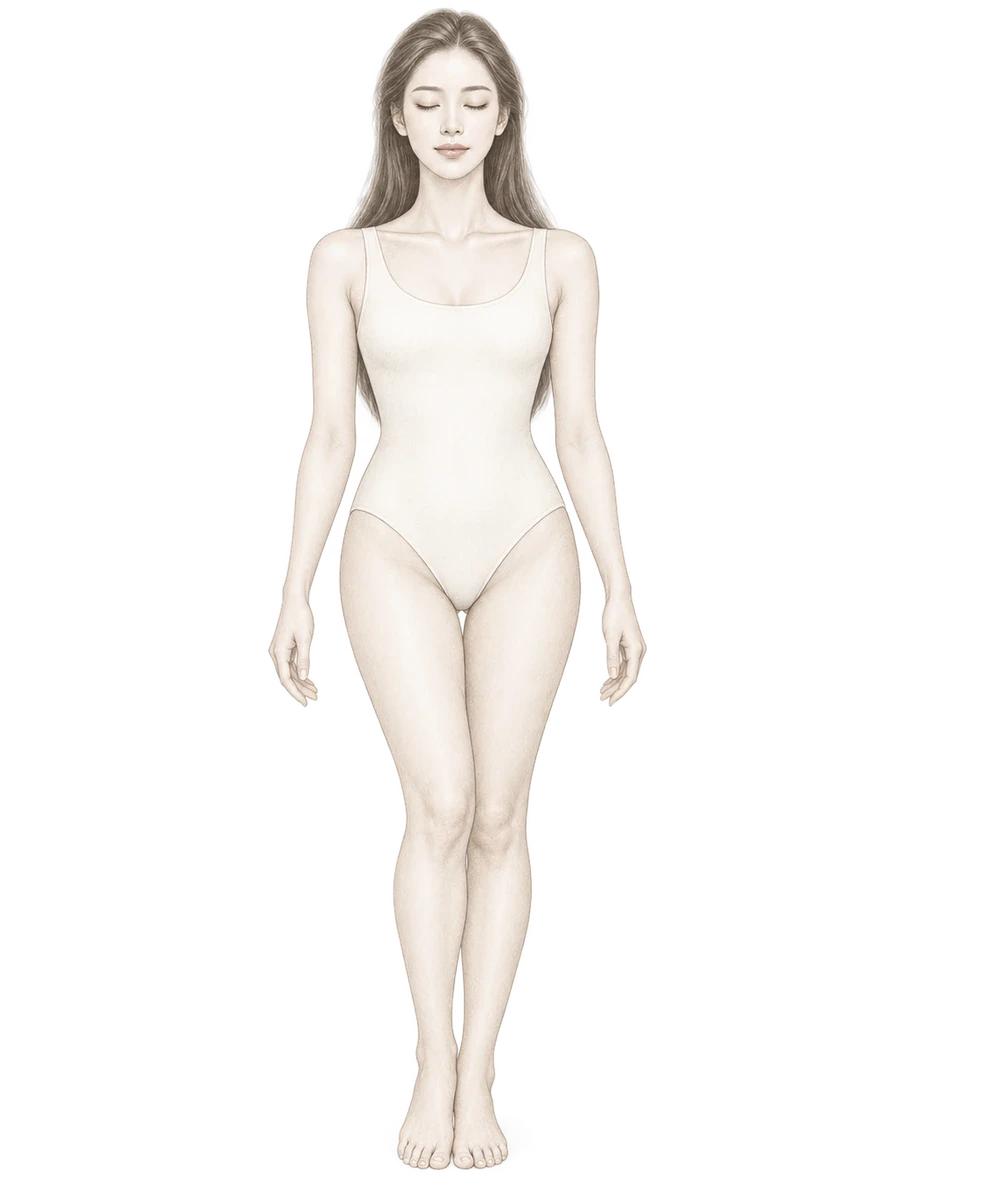
Treatment areas at Dong-An Joongsim Clinic
A plan for each treatment area

Face

ForeheadCheekbonesCheeksNeck

Body

Arms

Other pigmentation treatments
Results, comfort and recovery at a glance

Compare pigmentation and scar treatments side by side. The right choice varies from person to person, so your doctor will help you decide at your consultation.

Comparing pigmentation treatments
TreatmentResultsDurationComfortRecovery
ReepotVisible right awayLasts 12 months or moreMild discomfort14 days of downtime
BBLGradual improvementLasts around 6 monthsMinimalNo downtime
OpusGradual improvementLasts around 6 monthsMild discomfort5–10 days of downtime
HALOGradual improvementLasts around 6 monthsMild discomfortUsually settled by the next day
Pico LaserGradual improvementLasts 6 months or moreMild discomfortNo downtime

Clearing spots before an important date
Treatment timed around your plans

From actors preparing for filming to patients planning a wedding or presentation, many people visit us ahead of an important date. Your doctor plans the timing and combination of treatments around your facial features and schedule.

If your event is tomorrow

This laser needs some recovery time, so we plan it well ahead of your event. If the date is very close, your doctor will consider an alternative with no downtime.

If your event is a month away

We work backward from your event date to plan a course around Reepot. Our range of treatments allows us to choose a combination that suits your face.

Sun spot removal: results and recovery timeline

  1. Immediately after treatment

    DuoDERM applied

    The treated area is covered with a DuoDERM dressing.

  2. Dressing period

    Keep the dressing in place

    If an edge starts to lift, place a larger dressing over it rather than replacing it.

  3. After dressing removal

    Redness settles

    Depending on your skin type, redness gradually returns to your usual skin tone over one to six months.

  4. One month after removal

    Resume laser toning

    From this point, we recommend other pigmentation treatments such as laser toning.

Your treatment day at Dong-An Joongsim Clinic
Your doctor oversees anesthesia and treatment

Your doctor handles both your consultation and treatment. A patient coordinator can help with pricing.

  1. Doctor consultation and assessment

    Your doctor checks the type and depth of each pigmented lesion.

  2. Cleansing and numbing

    The area is cleansed, and a topical anesthetic is applied if needed.

  3. Lesion marking

    Your doctor marks each lesion to be treated.

  4. Laser treatment

    The laser and cooling system treat only the marked lesions.

  5. Protective dressing

    DuoDERM covers the treated area to protect the healing skin.

Preparation and aftercare for spot removal

Aftercare

  1. Keep the DuoDERM dressing on for the period your doctor advises. If it begins to lift, add a larger dressing over it rather than replacing it.
  2. The usual dressing period is two weeks. It may be closer to three weeks for people over 40, areas on the upper face such as the forehead or around the eyes, suspected dermal pigment, lesions over 2 cm, or skin previously treated with picosecond toning or a CO2 laser.
  3. Apply sunscreen diligently, as the skin is sensitive after treatment.
  4. Avoid hot water and high-heat environments such as saunas for the advised period.
  5. Moisturize well, as treated skin can become dry.

When treatment may not be suitable Consultation required

  1. An autoimmune condition affecting the skin
  2. Current cancer treatment

Our doctor teaches Reepot aftercare

Conference lectures and seminars with doctors from around the world.

View all professional activities →

Spot removal: questions about recovery, risks and cost
Answers from our doctors

How do I choose a Reepot clinic in Apgujeong, Gangnam, Seoul?

Ask whether a doctor personally assesses and treats you, whether genuine equipment and consumables are used, and whether treatment can be combined with other options for your skin. At our clinic, your consultation and procedure are both handled by a doctor.

Can Reepot remove a spot in one session?

The treatment aims to remove lentigines in one session using higher energy. A thick or deeper lesion may need another treatment.

How are melasma and freckles different?

Freckles are small, scattered brown spots that often appear on the nose and cheeks from childhood and darken with sun exposure. Melasma tends to form broader, less clearly defined light-brown patches on the cheeks, forehead or around the mouth, influenced by UV exposure and hormones. Reepot targets well-defined superficial pigment such as freckles and lentigines.

Can Reepot treat melasma as well?

Reepot uses AutoDerm imaging to target pigmented lesions, including lentigines and some areas of melasma. It works best on clearly defined lentigines and freckles. Because melasma is more diffuse and can darken with irritation, your doctor first assesses its type and depth, then considers Reepot alongside other options such as HALO or BBL Forever.

What side effects can Reepot cause?

Redness remains after the dressing is removed and may take one to six months to fade, depending on skin type. Temporary pigmentation may develop in the same area and gradually lighten. Based on how the treatment works, the manufacturer's teaching materials describe permanent side effects as uncommon.

How should I read Reepot and melasma treatment reviews?

Some of our patient reviews describe complete removal of lentigines. When reading a review about pigmentation, first check whether the person had melasma, lentigines or freckles. Different pigment conditions need different treatments and have different outcomes.

How is the cost of Reepot or melasma treatment calculated?

Reepot pricing depends on the number, size and location of the lesions and the sessions needed. Melasma treatment varies with pigment type and extent, so your doctor assesses the skin before explaining the options and fees.

Can the spots come back after Reepot?

The manufacturer's advisory teaching materials report a lentigo recurrence rate below 1%. A spot that appears to have returned may sometimes be a lesion missed in the initial marking or a small area of dermal pigment.

Why is a DuoDERM dressing needed?

It protects the area while new skin forms. If it begins to lift, add a larger dressing over it rather than replacing it.

Will it remove hair near my eyebrows?

The Q-switched laser does not destroy hair follicles, so it is not a hair-removal treatment. Hair may temporarily lighten or shed, but grows back over time.

What does AutoDerm do?

After the lesion is imaged and cooled, AutoDerm recognizes the target area and guides the energy and treatment coverage. Your doctor first diagnoses the pigmentation, then uses imaging and cooling to deliver energy to the selected area.

Reepot system against a clean, light background
Reepot

Our Reepot equipment

Reepot specifications
ManufactureriloodaKorea
Laser532 nm Q-switched Nd:YAG
TechnologyVSLS · CPTL® Intensive Cooling · AutoDerm® Imaging
Research papersLasers in Medical Science 202338:180
CertificationsFDA · MFDS

Sun spot removal, planned for your skin by your doctor

We take time with every patient. Your doctor leads the consultation and performs the treatment, with a plan based on your facial features.

Consultation